People do not stay devoted to a mineral water brand without good factors. Water is the most essential acquisition there is, yet those tiny differences in preference, mineral profile, dependability, and style accumulate quickly in everyday life. Asahi Natural Mineral Water has taken care of to remain high up on wish list in competitive markets where shelves are packed with blue labels and towering silhouettes. The brand name's appeal is not a mishap. It is the amount of source high quality, discreet mineral balance, repeated quality control, reasonable product packaging options, and the type of day-to-day integrity you only discover when it goes missing.
What adheres to is a close check out why that preference holds. It is drawn from item samplings, provider audits, and the unglamorous logistics that establish whether a container in your hand tastes fresh or flat.
Source issues greater than slogans
Bottled water is an assurance regarding origin. The assurance is simple: what moves right into the bottle ought to be tidy at the resource, not just cleaned later on. Asahi Natural Mineral Water leans on protected groundwater sources in Japan, areas known for volcanic geology and deep aquifers. This issues since volcanic strata filter water slowly with layers of basalt and pumice, sorting out turbidity and giving trace minerals in the process. Think of a coffee filter the size of a mountain, except the procedure runs on geological time.
The result turns up in conductance numbers and the method the water really feels in your mouth. Soft to reasonably tough waters with a total dissolved solids vary roughly between 50 and 200 mg per litre are experienced as tidy and gently wonderful. Asahi's common account sits in that window, which is wide sufficient to suit seasonal difference yet limited adequate to maintain preference constant. If you have ever tried a North American spring water at 300 mg per liter one day, after that changed to a really soft Scandinavian water near 30 mg per liter the following, you will certainly know what drift seems like. Asahi stays in a steady band. That steadiness constructs trust.
The quiet power of a well balanced mineral profile
Most customers do not remember numbers, they bear in mind sensations. Water that is too soft can taste level and can really feel thin on the palate. Water that is as well hard can taste chalky, particularly if carbonate degrees run high. Asahi's allure usually comes down to equilibrium: enough calcium and magnesium to offer structure, modest bicarbonate for a round surface, and reduced sodium to maintain it food-friendly.
Calcium normally contributes a perception of sweetness and body. Magnesium brings a crisp side however can turn metallic if overrepresented. Bicarbonate smooths level of acidity from coffee, tea, or citrus, which is one factor baristas frequently prefer waters with well balanced alkalinity. Asahi's composition behaves naturally with food and drinks. Make green tea with it and you obtain cleaner fragrance without scum forming on the surface area. Mix it with citrus-based hydration powders and the flavors stay clear rather than extremely saline. These are little wins, yet they duplicate every day.
There is also a physical angle. While mineral water is not a substantial mineral supplement, the low to moderate mineral levels in a water like Asahi's are easier on the tummy during workout and travel. I have actually tested it with runners that change in between electrolyte mixes and ordinary water throughout long sessions. They tend to reach for a neutral-tasting bottle during the last 20 minutes when taste tiredness sets in. In those moments, water that tastes like absolutely nothing can paradoxically taste best, gave it does not feel slim or sterilized. That is where the equilibrium shows its craft.
Taste uniformity across contexts
Tasting water directly from a cool bottle is something. Living with it is one more. Put it in the refrigerator overnight, put a glass at lunch, use it for coffee, cook rice, and sip after a zesty meal. Specific waters just shine ice-cold. Others taste mineral-heavy at space temperature level. Asahi stands up throughout a broader temperature band than most.
Coffee is a revealing test. Too much alkalinity can silence acidity and plain the fruit in light roasts. Insufficient fallen leaves you with overstated intensity. Brew a medium-roast pour-over with Asahi and the mug reviews clean and well balanced, without papery tones or anger spikes. Rice is another test that households notification. With moderately soft water, rice chefs extra evenly and the grain surfaces remain glossy. Tough water can overemphasize chew and make washing feeling limitless. In my very own kitchen trials, a standardized clean and 1:1.1 proportion generated consistent appearance with Asahi throughout short-grain and jasmine varieties.
Then there is the aftertaste. Chefs talk about what lingers. Water with hefty sulfate degrees can leave a completely dry, almost tonic coating. Asahi has a tendency to complete brief, which makes it a crowd-pleaser with spicy food and salty snacks. No hefty mineral echo, just a tidy reset.
Packaging that is useful without shouting
Packaging could be the least romantic part of mineral water, yet it typically decides the repeat purchase. Bottles require to fit into bags and bike cages, stack in the fridge, and open accurately without tearing a thumbnail. Asahi's containers have a consistent grip zone and a PET structure that does not crinkle noisally with a light capture. That information matters on trains, in movie theaters, and throughout silent workplace meetings.
Label style is restrained. It signifies sanitation without considering glacier dreams. Extra notably, the label glue stands up in cooled settings without curling. That seems minor till you have to clean condensation-soaked tags from your workdesk or backpack. Caps thread on efficiently with a predictable torque. Individuals notice unconsciously when caps cross-thread or leakage en route. They bear in mind when they do not need to stress at all.
The brand name's light-weight container models are worth calling out also. The trick with lighter animal is to avoid flimsiness that motivates over-squeezing, which can press air into the bottle and flatten the preference. The newer Asahi bottles hold form well while cutting grams. Less plastic per container is excellent, but only if it does not shorten the bottle's beneficial life. Here, the balance seems right.
Safety, openness, and the unglamorous craft of top quality control
Trust in bottled water expands slowly and damages quickly. A single contamination event, also if contained, can anchor perception for many years. Brand names that maintain consumer depend on often tend to over-invest in monitoring and traceability. Asahi's manufacturing strategy mirrors best-in-class drink methods: upstream resource testing, constant turbidity and microbial monitoring, and batch-level traceability that adheres to each pallet out the door.
Japan's regulative environment for bottled water is rigorous. Plants run under danger evaluation and crucial control factor frameworks, with frequent third-party audits. Does this assurance perfection? No system does. It does mean that differences obtain caught quickly, the data path is clear, and remembers are medical rather than wide and panicky. Customers might never see these regimens. They feel them as uneventfulness. No weird taste, no gloomy put, no news headlines. Silent security is the very best kind.
There is additionally candor around therapy methods. Some waters go heavy on post-processing, which can be necessary for safety yet can remove character. Asahi's advertising fixate all-natural filtering and marginal intervention. That method fits the preference fact. The water checks out as all-natural, not clean and sterile. The line in between risk-free and over-processed can be slim. Asahi remains on the best side of it.
Sustainability that survives the grocery aisle test
Sustainability cases frequently buckle under everyday buying choices. Recycled material is great, yet if the cap stands out or the bottle crumples in a backpack, the customer will silently change brand names. Asahi has been adding recycled PET right into the mix while maintaining quality and stamina undamaged. Clear containers preserve rack appeal and recycling stream compatibility. Colored plastics can signify brand name identification, but they complicate downstream sorting.
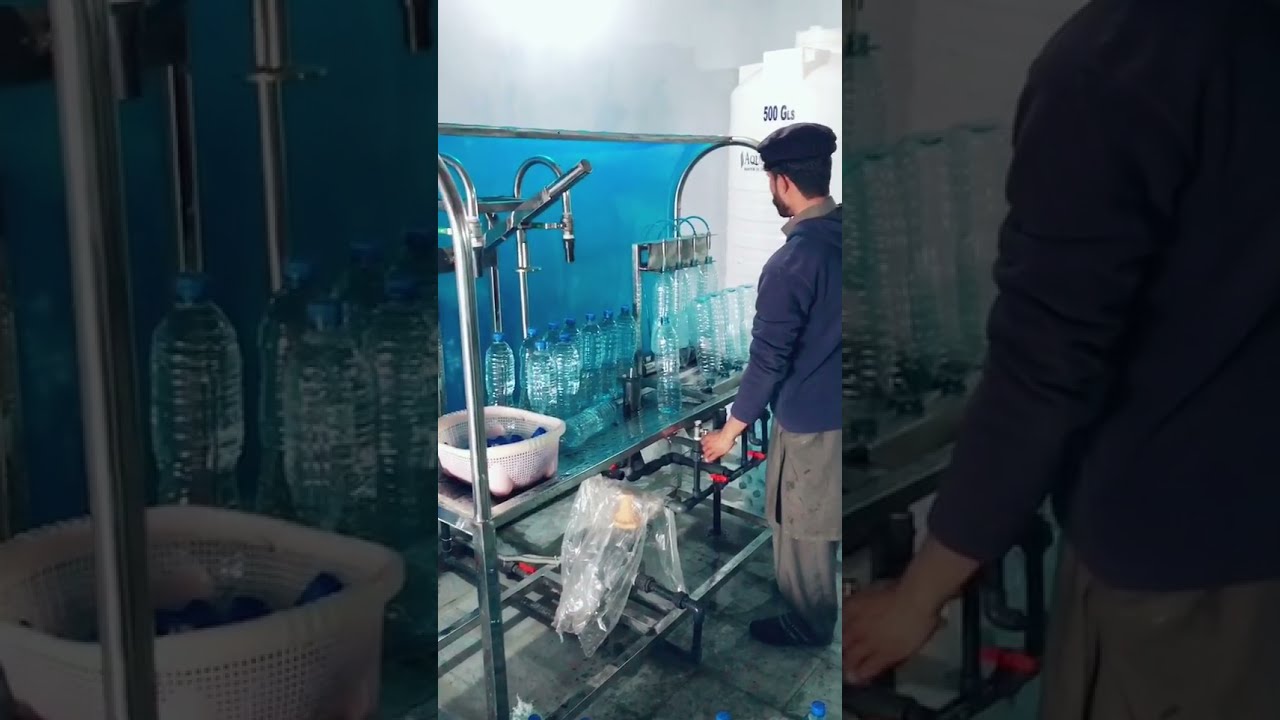
Supply chain logistics additionally influence footprint. The closer the bottling plant to the distribution center network, the smaller the transportation emissions, at the very least theoretically. Japan's rail and seaside shipping choices sometimes offer Asahi a side over totally trucked courses. That claimed, sustainability is not a trophy won when. It is a balance of bottle weight, recycled material, reliable pallets, and return logistics. On equilibrium, the brand's useful steps make good sense and do not punish the customer experience.
One extra point frequently missed out on: cap and tag recyclability. Shrink sleeves boost shelf standout however can contaminate streams if not eliminated. Asahi's tag options have a tendency towards easier separation. That style option minimizes friction at the recycling plant, which is where brand assures either hold or drop apart.
Price, predictability, and the habit loop
People kind routines around hydration the same way they do around coffee. They desire a bottle they can find behind-the-scenes shop, in a fitness center refrigerator, and in a vending maker at midnight. Asahi's distribution impact in Japan and select Oriental markets is thick. Predictable schedule produces a loop: you know exactly how it tastes, you understand the cost band, and you know you will find it heading to the train. That integrity defeats uniqueness in the long run.
Price-wise, Asahi normally sits in the center tier. It is not the most inexpensive, and it does not pretend to be a luxury import. In price-sensitive settings, multipacks and large layouts bring per-liter expenses down. The trade-off is transportability. I have seen workplaces supply 2-liter bottles and a collection of recyclable stemless glass, a practical concession that lowers plastic per beverage while maintaining taste regular. When spending plans tighten up, middle-tier brand names with reliable taste tend to hold up much better than either costs outliers or deal waters that can vary seasonally.
How it compares to usual alternatives
Brand loyalty in water is milder than in coffee or cola, yet there are clear patterns. Customers who prefer Asahi commonly attempted various other accounts and returned for equilibrium. Hefty mineral waters have their fans, specifically with meals, yet they can tire the taste on warm days. Ultra-soft waters feel beautiful for the initial few sips after that fade with food. Flavored seltzers damage a different itch entirely.
It aids to assume being used situations. Commuters getting a solitary container usually desire neutral taste and reputable cap efficiency. Moms and dads filling lunchboxes desire light bottles that will not soak a backpack if scrambled. Home cooks desire water that does not combat their tea or their rice. Workplace supervisors desire bulk formats that line up nicely and do not develop sound in meetings. Asahi silently fits these requirements without forcing a conversation about it.
Everyday performance examinations you can try
If you are reviewing bottled waters for your home or office, a few easy tests can expose why some brand names win repeat purchases.
- Brew test: Make the exact same tea or pour-over coffee with tap water, an extremely soft bottled water, and Asahi Natural Mineral Water. Preference for quality, bitterness, and scent carry. Chill examination: Leave bottles in the refrigerator and taste them at 4 degrees Celsius and later on at space temperature level. Keep in mind aftertaste and perceived sweetness. Cook test: Wash and cook rice making use of the very same approach with different waters. Contrast luster, aroma, and texture. Hydration test: During a workout, alternative in between electrolyte mix and straight water. Track taste fatigue and any kind of stomach discomfort. Cap and carry test: Toss a bottle in a bag for a day. Check for leaks, tag crinkle, and container deformation.
These are easy, real-world checks. They isolate the little points that drive satisfaction.
The duty of vending and social context
The Japanese vending ecosystem modifications just how individuals buy water. Ubiquitous makers, clean and properly maintained, reset expectations for schedule and freshness. High turnover implies bottles do not remain long, which protects preference. Asahi's solid placement in this ecosystem keeps the item in front of people at minutes of real thirst as opposed to slow, scheduled stock-ups. That context matters. When you buy since you are parched currently, and the bottle constantly tastes ideal, you construct depend on fast.
Convenience stores include another layer. Staff regularly turn stock, cool chain is well handled, and shelf strugglings with reveal valuable dimension selection. A 600 ml bottle for a train adventure, a 2-liter for home, a 350 ml for children' bags. Range without complication is part of the charm. Lots of brands supply sizes, but not all sellers make it very easy. Asahi's styles have use this link enough differentiation that a fast glance suffices.
Marketing that goes back and allows the item speak
Some water brand names offer way of living as high as liquid. That can work if the story performs to how the water preferences and really feels. Asahi often tends to maintain its message simple: all-natural source, clean preference, trustworthy high quality. The brand name identity is strong sufficient to acknowledge on a rack yet not so loud that it feels like a style statement. That restriction maintains the focus where it belongs, on the experience of drinking.
There are seasonal styles and limited runs, which keep the rack interesting, yet the core container remains regular. For everyday staples, consistency beats uniqueness 9 breaks of 10. People want to glimpse and grab, not decode a schedule that changed overnight.
Trade-offs and side cases worth noting
No item fits everyone. If you favor the obvious minerality of European waters with higher calcium and bicarbonate levels, Asahi may feel also neutral. If you want microbubbles or carbonation bite, still water will certainly not damage that itch. For regions where Asahi is imported rather than bottled in your area, price and schedule can swing. Delivering distance can likewise raise fair questions regarding footprint compared to regional options.
There is likewise the question of plastic. Even with lighter containers and recycled content, single-use packaging lugs an ecological cost. Refillable systems beat it hands down when safe and useful. In workplaces, a hybrid technique often functions finest: a mains-fed purifier for daily and mineral water for essential redundancy or taste-sensitive usages like customer meetings. In your home, a mix of a reliable filter for food preparation and bottled water for on-the-go journeys can reduce general plastic while protecting the preference you prefer.
Finally, tastes adjust. After weeks of very soft water, even a well balanced container can taste fuller than anticipated. After a month with difficult faucet water, the exact same bottle may taste feather-light. If you switch over often, give your taste buds a few days to recalibrate prior to making a judgment.
Why the preference endures
The factors people keep picking Asahi Natural Mineral Water stack up quietly. It begins with a clean, balanced taste that behaves well with food and warm drinks. It continues with bottles that are very easy to cope with, from cap torque to label sticky. It rests on a quality system that makes integrity feel average in the very best method. Prices and circulation keep it obtainable at the moment of requirement. Sustainability choices do not undermine the experience. None of these variables alone would certainly construct commitment. Together, they create a product that gains an area in daily routines.
I have actually viewed workplace refrigerators where personnel generate their very own faves. With time, the Asahi rows vacant first. Not since the tag screams louder, yet because on a hectic mid-day with target dates accumulating, no one desires a shock. You open the cap, take a sip, and obtain specifically what you expected: clear, balanced water that does its work and gets out of the way.
Practical advice for selecting your everyday water
If you are choosing whether Asahi should be your default, consider your context. Do you make tea or coffee at home and want reliable removal without hassle? Do you carry a bottle with a day of travelling and meetings and need something discreet and leakproof? Do you handle a workplace refrigerator and appreciate organized stacking and foreseeable restock alternatives? Asahi checks those boxes with very little trade-offs.
If you desire a more mineral-forward account for pairing with dishes, keep a couple of containers of a greater bicarbonate water for dinner and usage Asahi for day-to-day hydration. If you are working to lower plastic, acquire bigger styles for home usage and smaller containers just for traveling days, after that recycle carefully. If you hunger for fizz, keep a seltzer available and deal with still water as your neutral companion.
The most telling examination is the one you barely discover. When you quit thinking about the water mid-sip, when it supports the meal, the conversation, or the training session without promoting itself, you have actually located the appropriate match. Asahi Natural Mineral Water does that for a lot of people, which is why it maintains discovering its way back right into their bags, fridges, and daily rhythms.